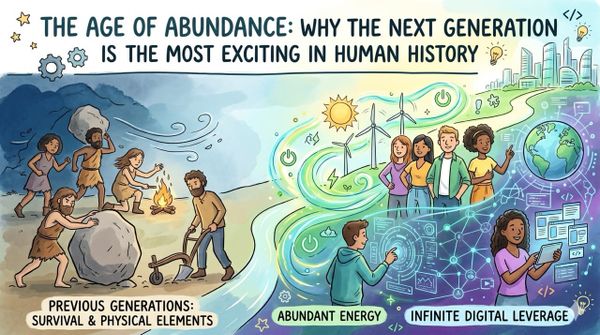
Does Surplus Power Drive Innovation or Vice Versa: The Energy Paradox
We assume that technological demand forces the creation of new energy sources to keep the grid online. In reality, historical economic data proves that massive energy surpluses actually create the exact market conditions required for radical technological innovation.

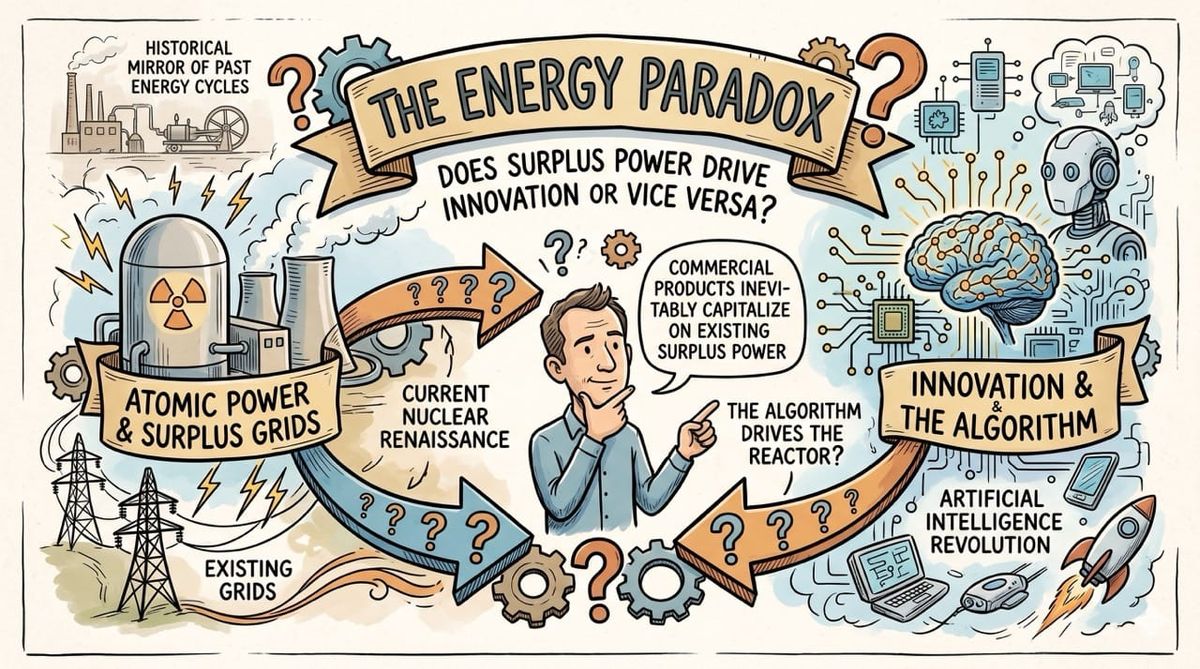
The artificial intelligence revolution is triggering an unprecedented global race for atomic power. We must scientifically determine if the algorithm is driving the reactor or if the reactor birthed the algorithm.
Inspiration: Analyzing David Friedberg and his brilliant observation regarding how new commercial products inevitably capitalize on existing surplus power grids. Realizing that the current nuclear renaissance is a perfect historical mirror of past macroeconomic energy cycles.
The Friedberg Hypothesis
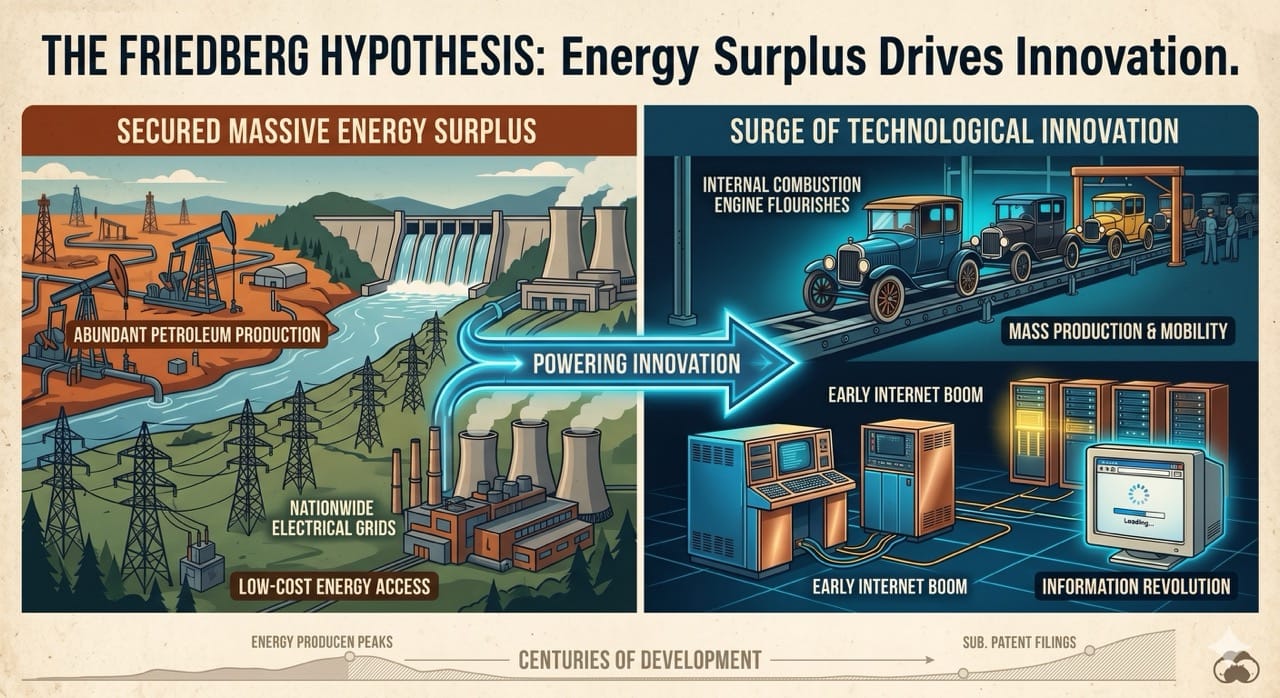
David Friedberg recently noted that technological innovation typically surges only after a society secures a massive surplus of cheap energy.
Historical data perfectly validates this exact macroeconomic thesis across multiple centuries of human development.
The internal combustion engine and the early internet both flourished precisely because massive electrical and petroleum surpluses were already widely available.
The Current Capital Surge
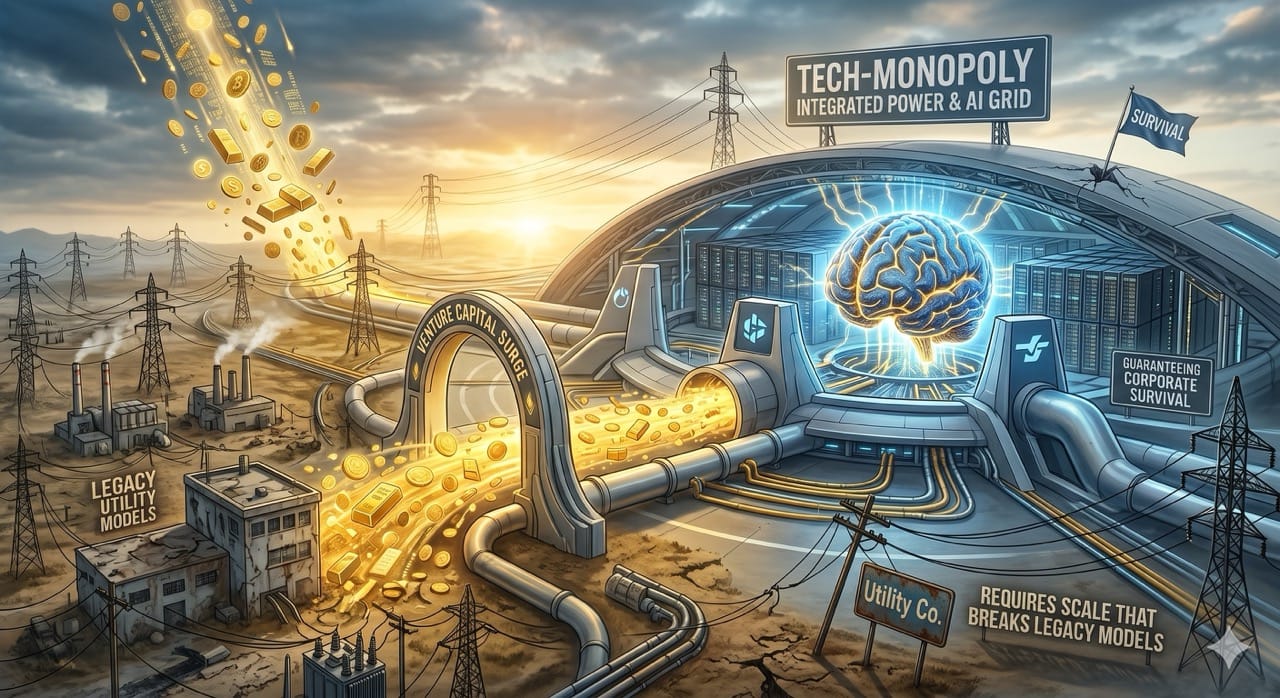
We are currently witnessing an absolutely unprecedented deployment of venture capital directly into foundational power infrastructure.
Massive technology monopolies are actively purchasing entire power grids to guarantee their own corporate survival.
They understand that artificial intelligence requires a scale of continuous electrical generation that completely breaks our legacy utility models.
The Fission Renaissance
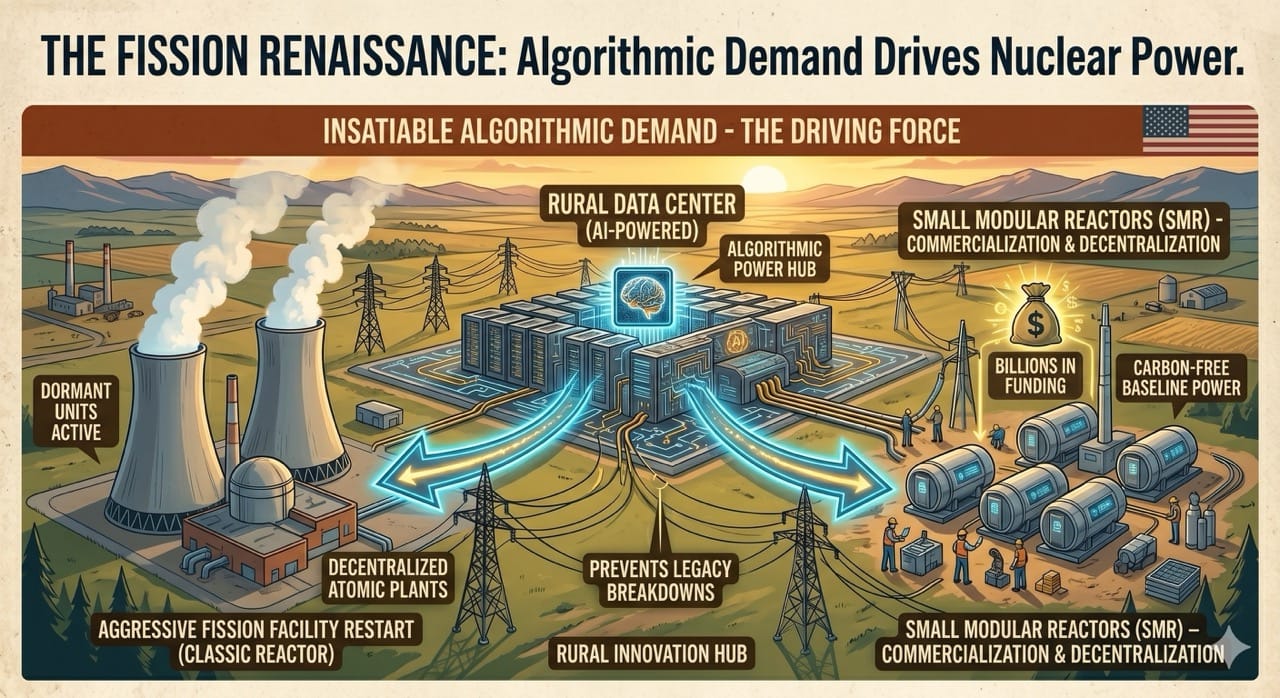
This insatiable algorithmic demand is singlehandedly responsible for the aggressive restarting of dormant nuclear fission facilities across the United States.
Furthermore, billions of dollars are flowing into the rapid commercialization of small modular reactors.
These miniature atomic plants provide the exact decentralized, carbon free baseline power required to operate a massive rural data center.
The Fusion Pipeline
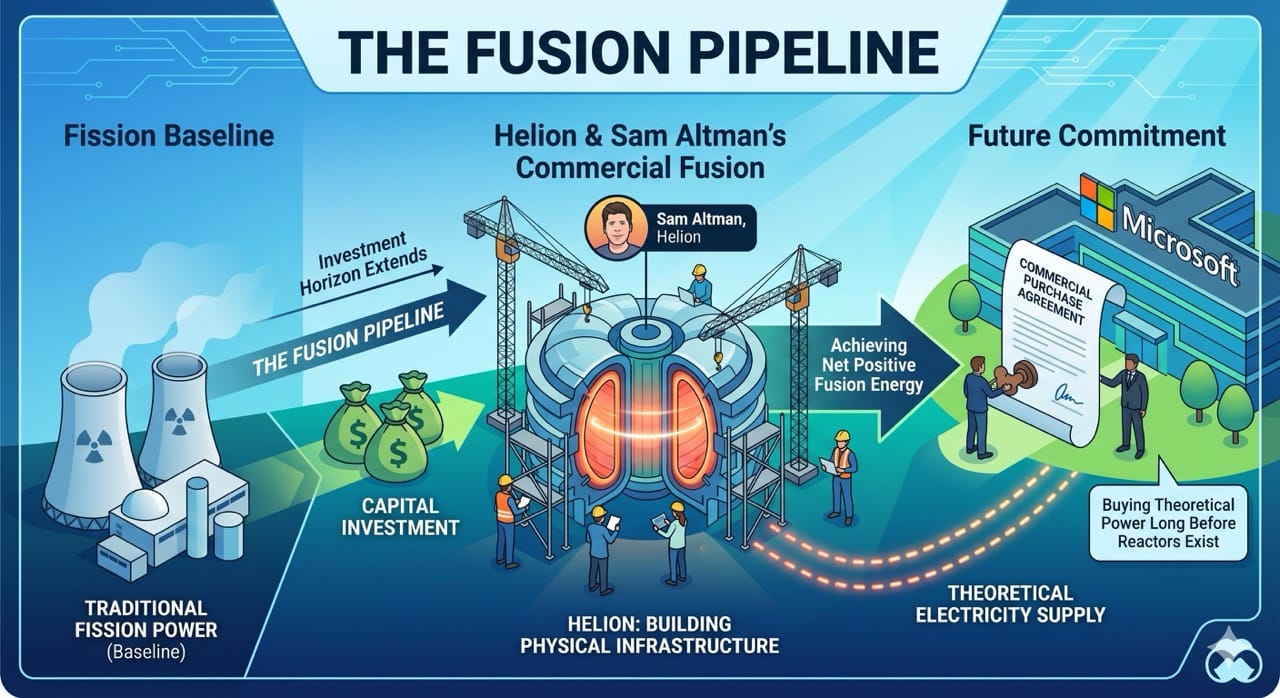
The investment horizon extends far beyond traditional fission and directly into the holy grail of commercial nuclear fusion.
Sam Altman and his company Helion are aggressively building the physical infrastructure required to achieve net positive fusion energy.
Microsoft has already signed massive commercial purchase agreements to buy this theoretical electricity long before the reactors even physically exist.
The Inverted Dynamic
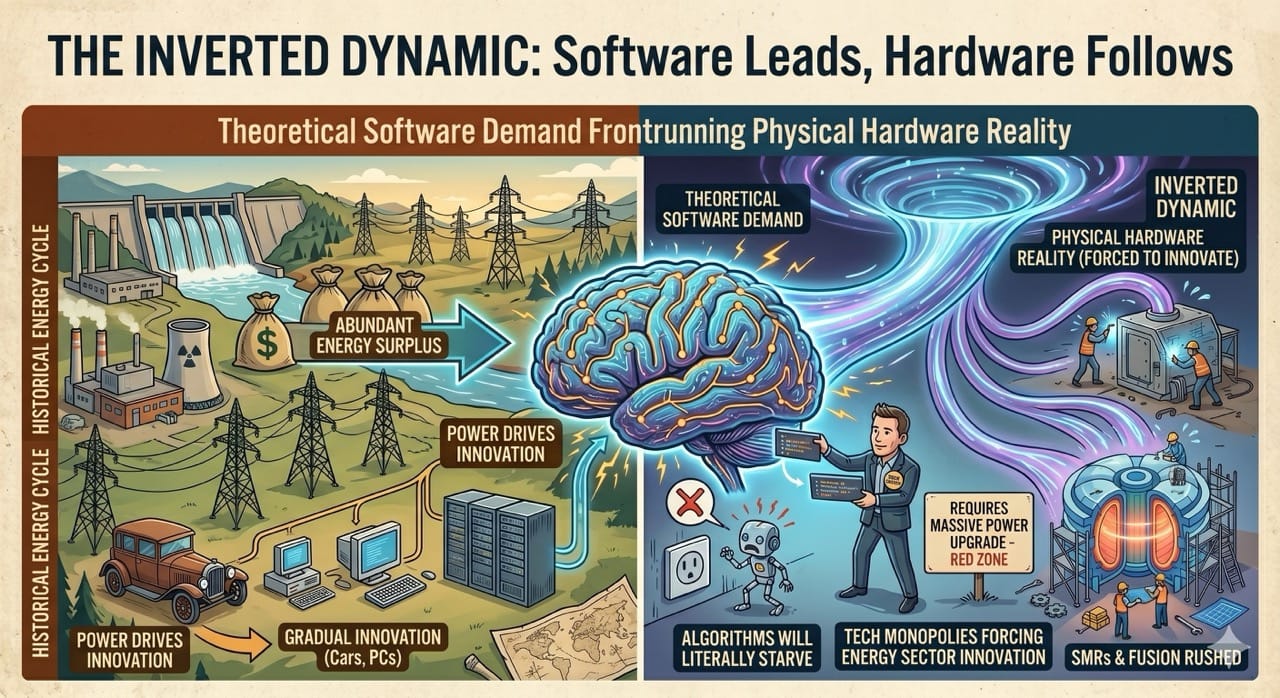
We are currently experiencing a fascinating inversion of the traditional historical energy cycle.
For the first time in modern history, the theoretical software demand is actually frontrunning the physical hardware reality.
Tech monopolies are essentially forcing the energy sector to innovate simply because their algorithms will literally starve without a massive power upgrade.
Conclusion: The Atomic Moat
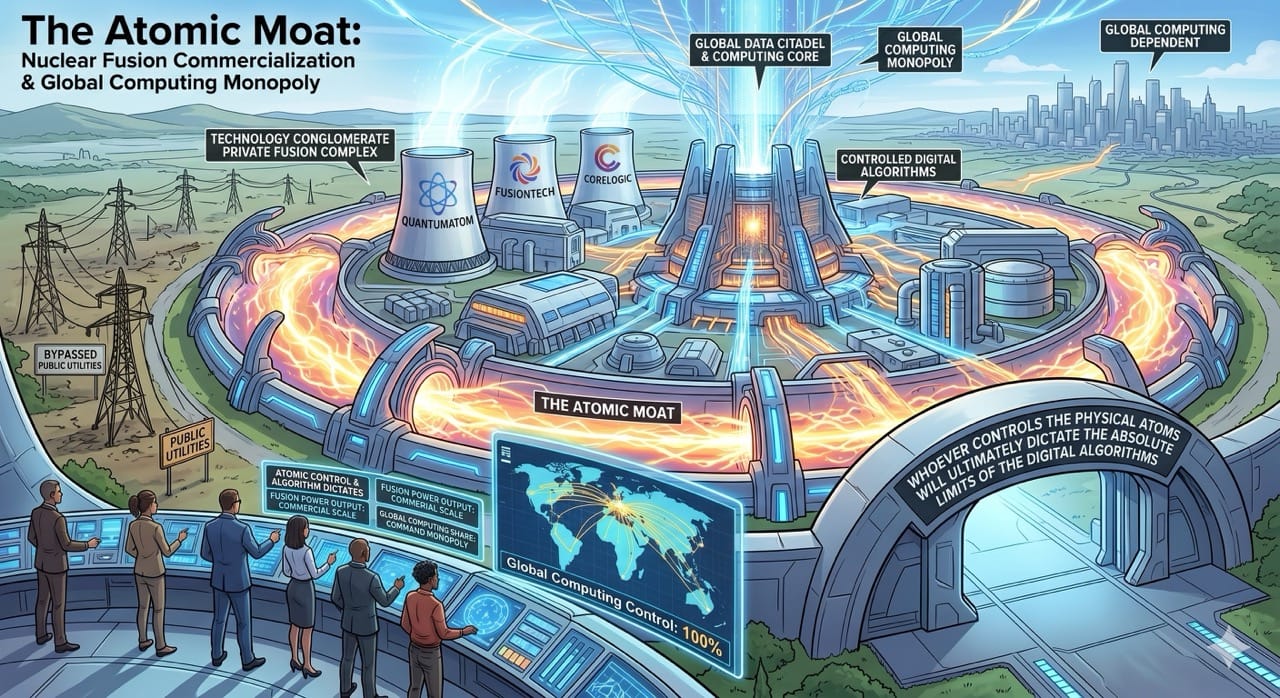
The nation that successfully commercializes nuclear fusion will command an absolute monopoly over global computing capabilities.
We will soon see technology conglomerates bypass public utilities entirely by building their own private atomic reactors.
Whoever controls the physical atoms will ultimately dictate the absolute limits of the digital algorithms.