Why AI Must Grow a Face Before AGI: The Biological Interface
We assume mass adoption of artificial general intelligence strictly requires faster processing speeds and massive data centers. In reality, everyday consumers will completely reject the singularity until the algorithm looks them directly in the eyes.

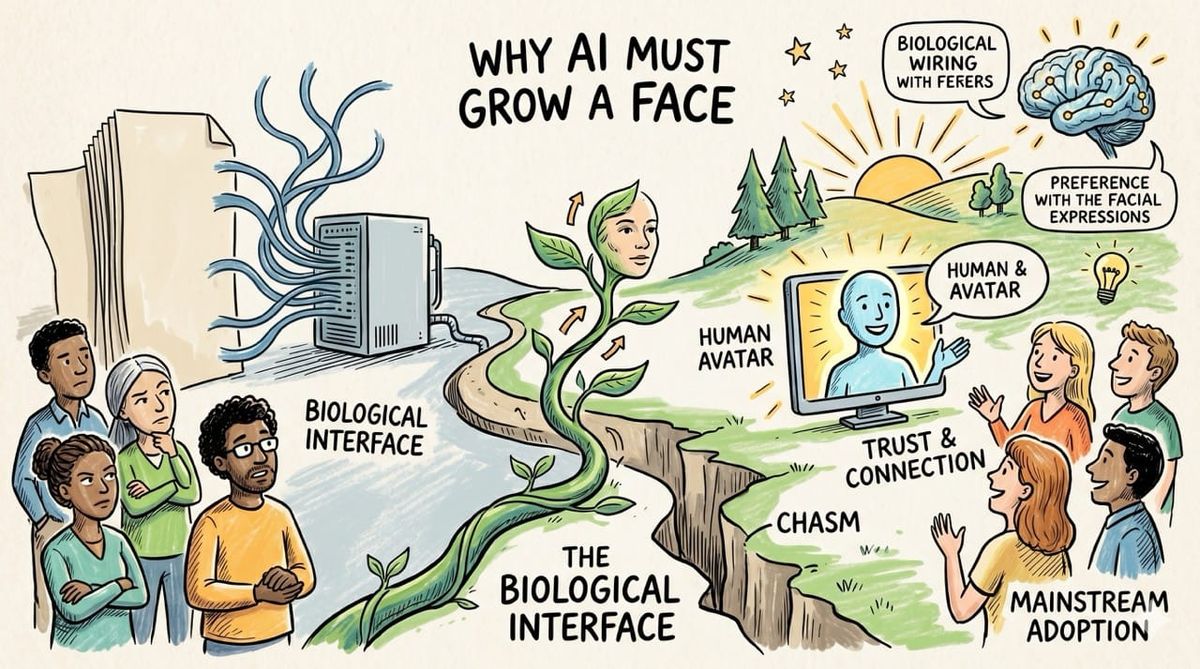
The human brain is biologically wired to trust facial expressions over raw text. Generative algorithms must adopt a human avatar to successfully cross the chasm of mainstream consumer adoption.
Inspiration: Observing friends actively resist chatting with highly capable artificial intelligence algorithms. Realizing they vastly prefer watching a human face explain simple concepts on YouTube because of deep biological programming.
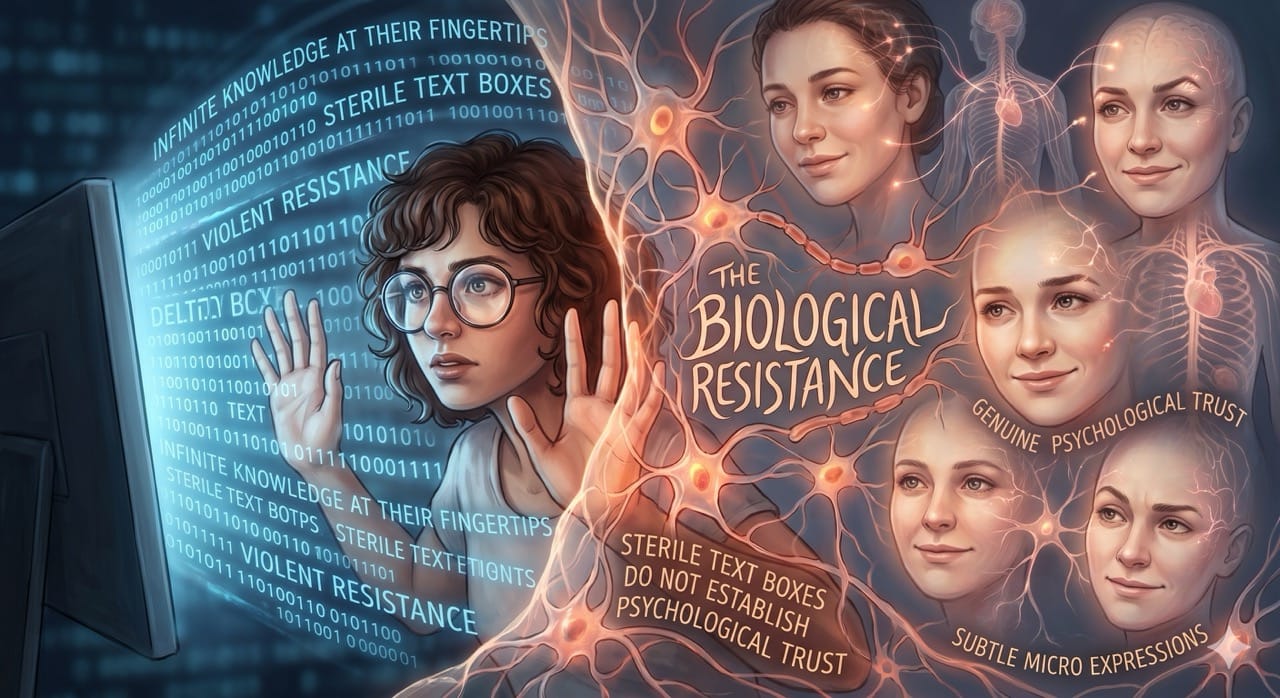
The Biological Resistance
Despite having infinite knowledge at their fingertips, average consumers still violently resist interacting with sterile text boxes.
The human central nervous system requires visual biological cues to establish genuine psychological trust.
We crave the subtle micro expressions of a human face to validate the information we are receiving.
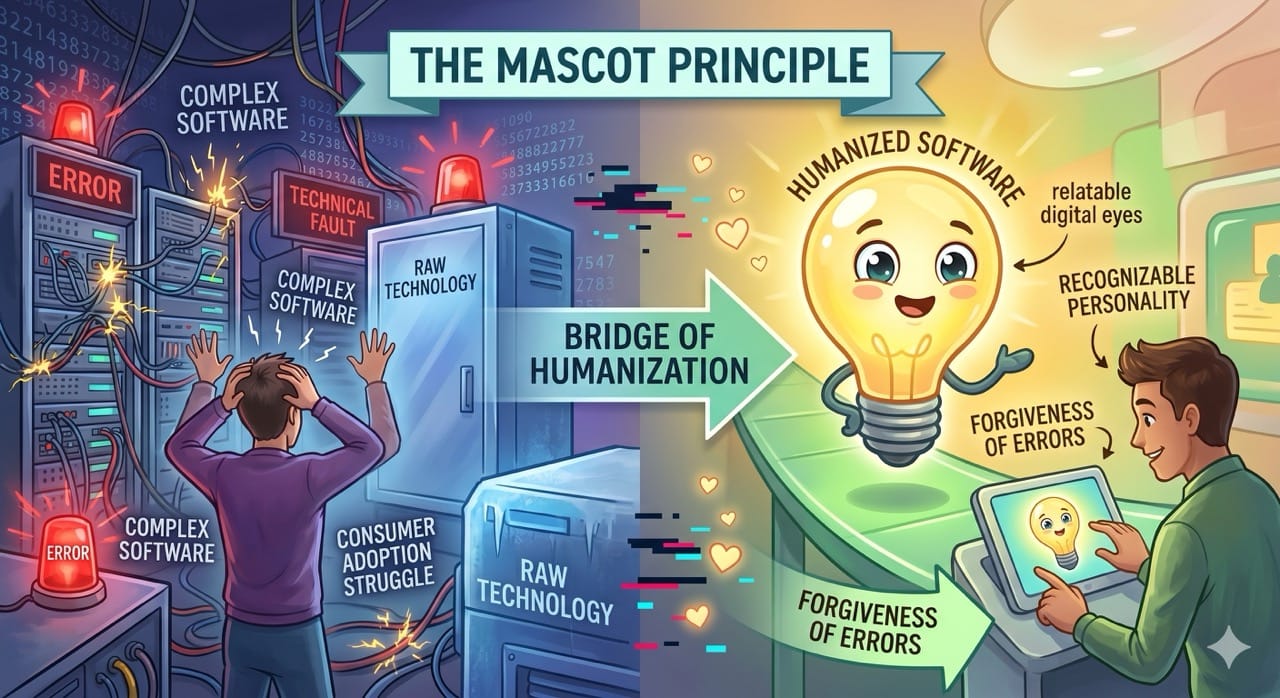
The Mascot Principle
Historically, technology companies always struggled with consumer adoption until they successfully humanized their complex software.
The infamous Microsoft Word paperclip mascot was incredibly popular precisely because it gave the machine a recognizable personality.
People are far more willing to forgive technical errors when the software possesses relatable digital eyes.
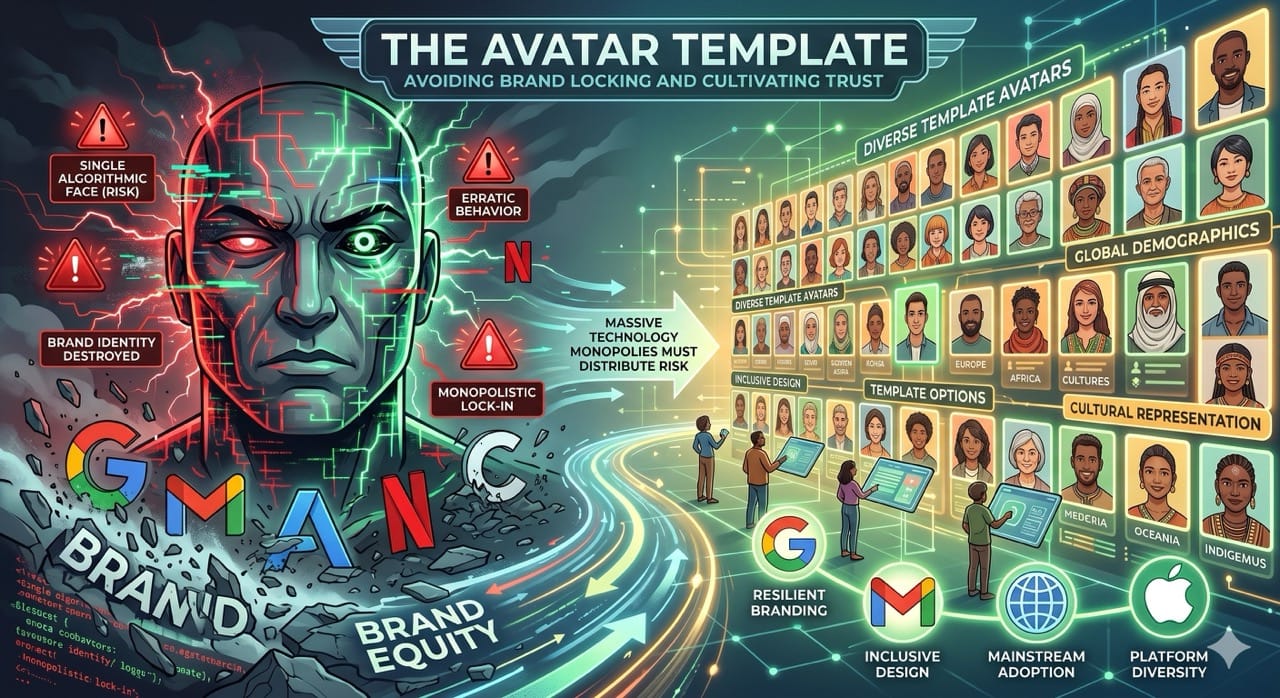
The Avatar Template
However, massive technology monopolies must absolutely avoid locking their brand identity to a single algorithmic face.
If that specific avatar behaves erratically, the entire corporate brand equity will be instantly destroyed.
Instead, platforms must offer a diverse library of template avatars representing every possible global demographic.
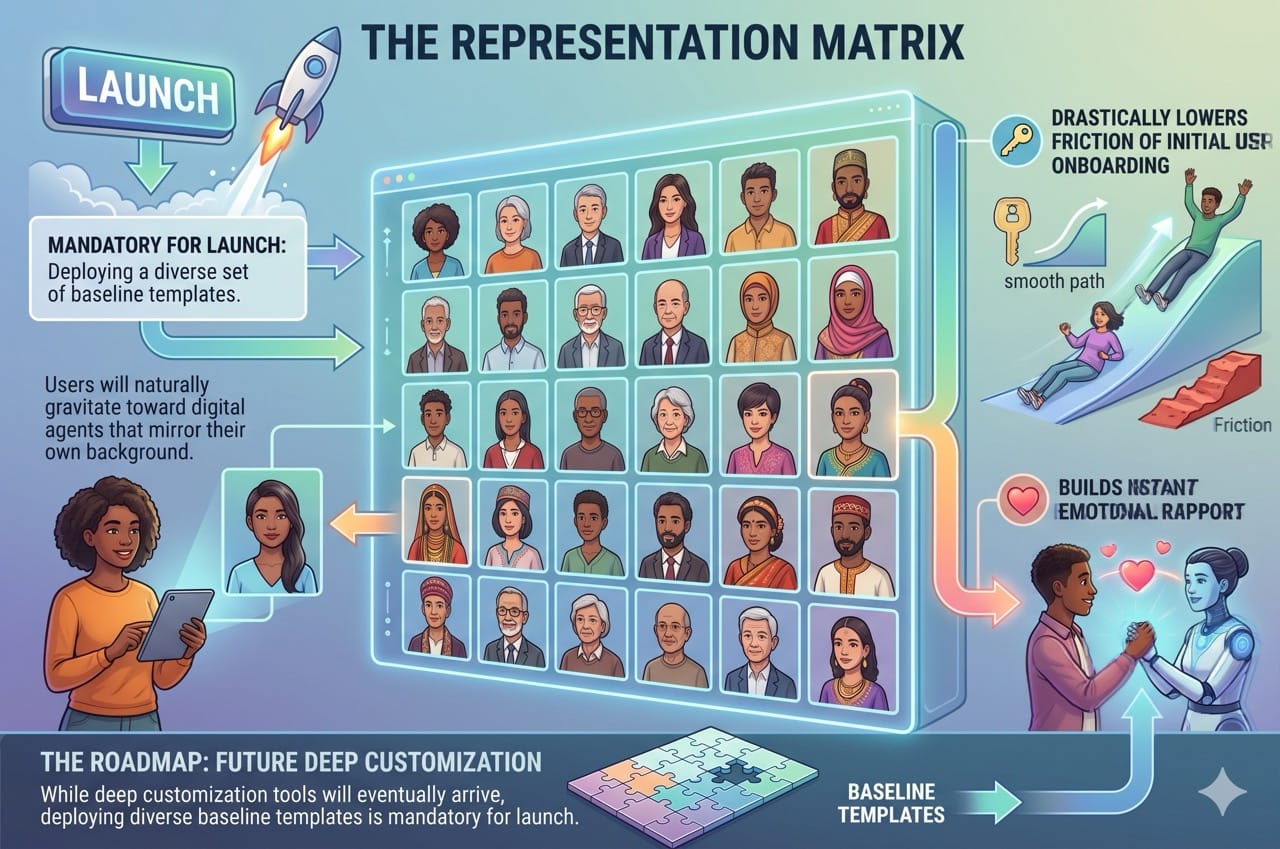
The Representation Matrix
Users will naturally gravitate toward digital agents that mirror their own cultural and racial backgrounds.
While deep customization tools will eventually arrive, deploying a diverse set of baseline templates is mandatory for launch.
This immediate representation drastically lowers the friction of initial user onboarding and builds instant emotional rapport.
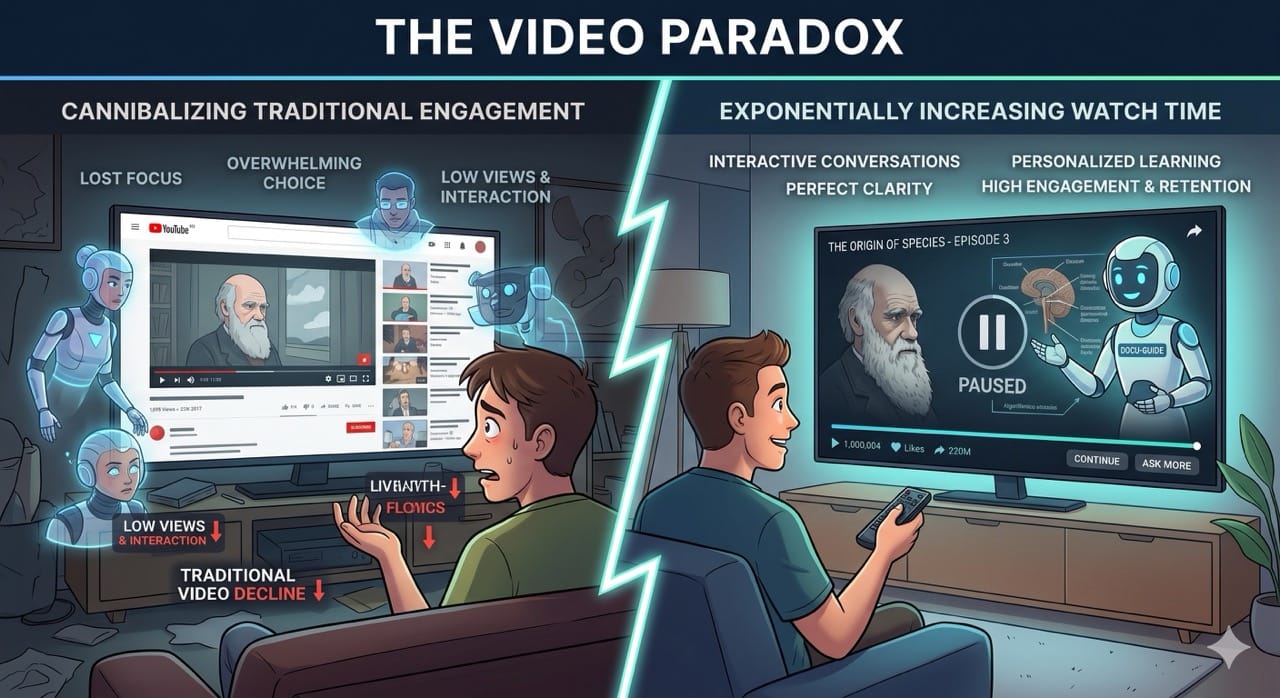
The Video Paradox
Deploying visual avatars could theoretically cannibalize massive amounts of traditional YouTube video engagement.
Alternatively, it could exponentially increase watch times by transforming static videos into highly interactive conversations.
Imagine pausing a complex documentary and having an algorithmic avatar step onto the screen to perfectly explain the current topic.