
The Uranium Monopoly: Why Kazakhstan and Canada Will Rule the Nuclear Boom
We assume technology companies hold the ultimate leverage in the artificial intelligence revolution. In reality, the nations controlling the physical uranium supply will dictate the entire trajectory of global computing.
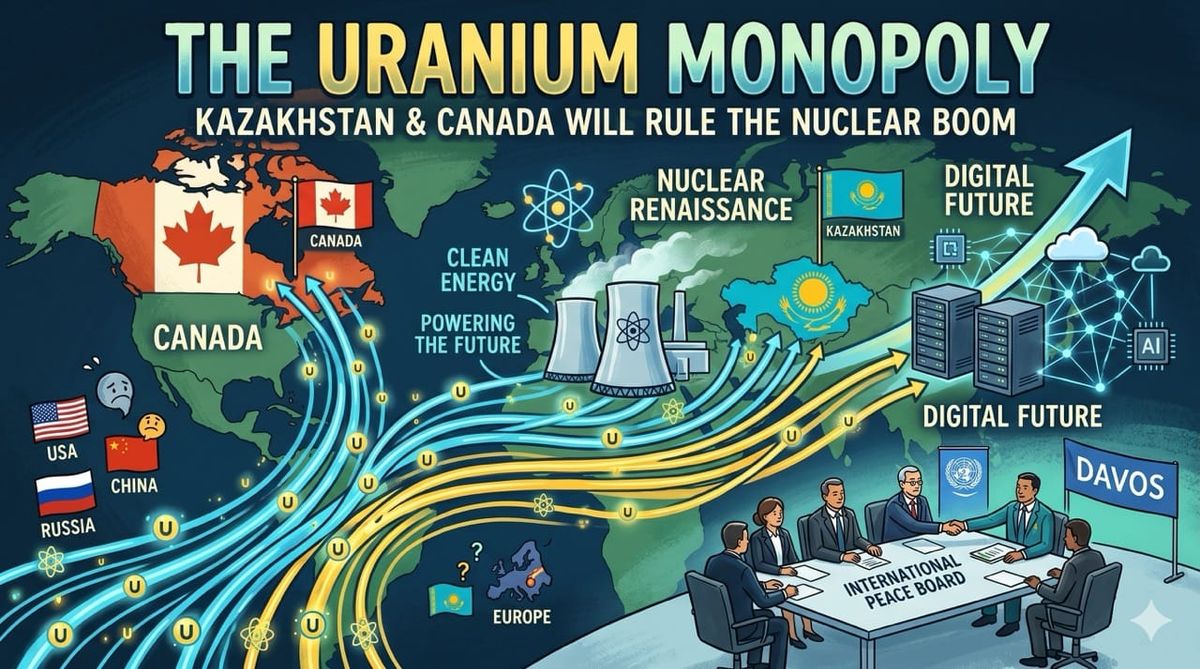
The nuclear renaissance is mathematically required to power the digital future. Geopolitical superpowers are aggressively maneuvering to secure the raw radioactive fuel necessary for absolute dominance.
Inspiration: Analyzing the brilliant geopolitical maneuver at Davos to loop Kazakhstan into an international peace board. Recognizing that securing the global uranium supply is the ultimate performance marketing acquisition strategy on a macroeconomic scale.
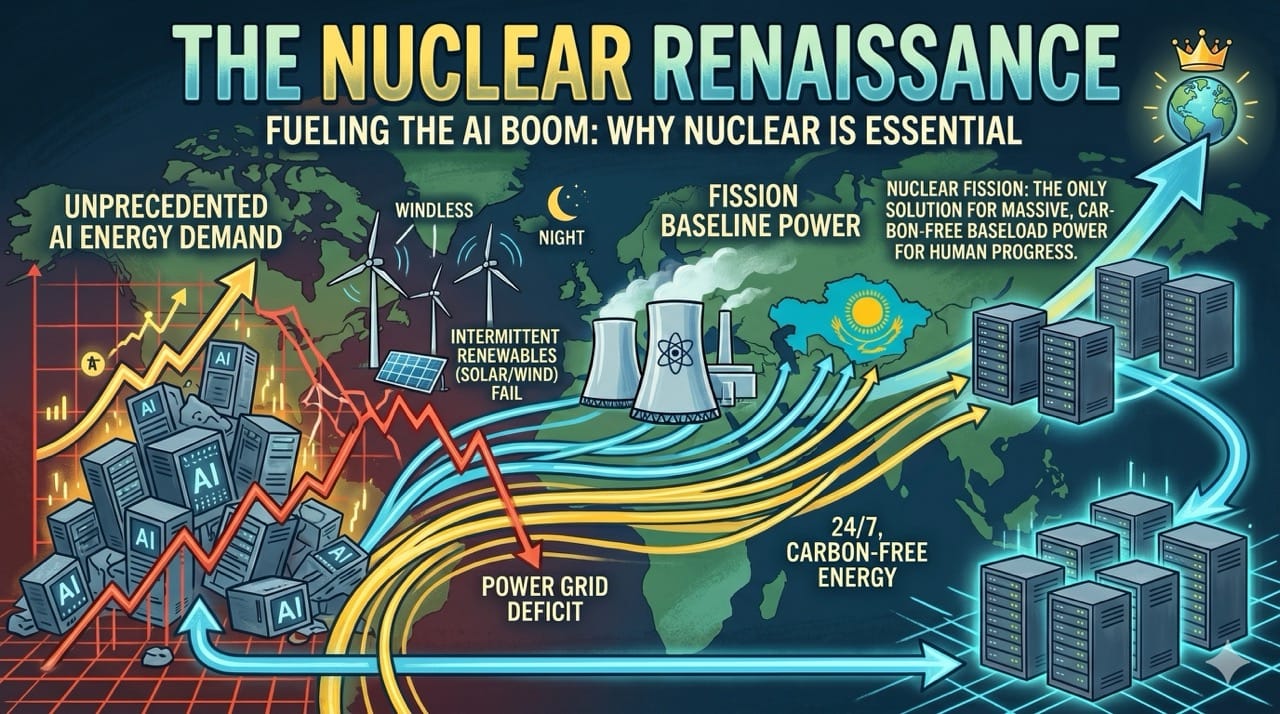
The Nuclear Renaissance
Artificial intelligence data centers require a completely unprecedented volume of continuous baseline electricity.
The global energy grid simply cannot support this exponential growth using intermittent solar or wind technology.
Nuclear fission is the only scientific solution capable of generating the massive amounts of carbon free energy required for human progress.
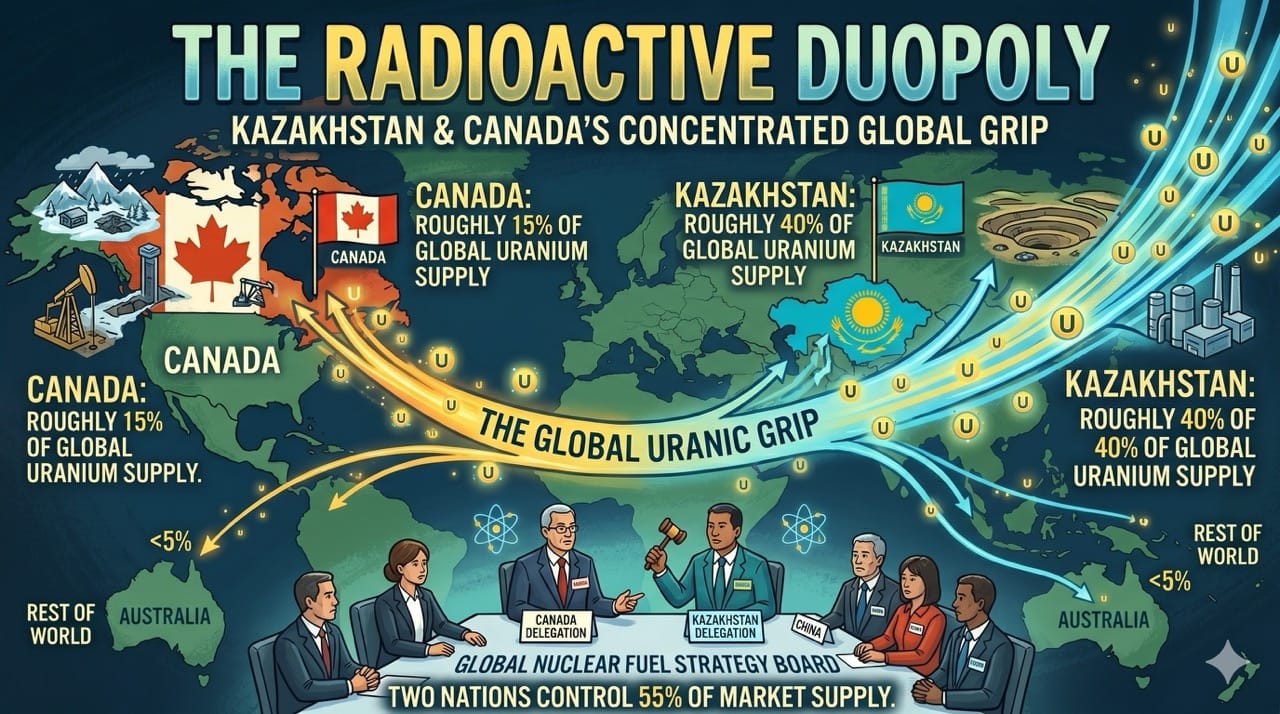
The Radioactive Duopoly
The global supply chain for raw nuclear fuel is incredibly concentrated in two specific geographic regions.
Kazakhstan currently dominates the market by extracting roughly forty percent of the global uranium supply.
Canada follows closely behind by providing roughly fifteen percent of the global yield through their massive northern mines.
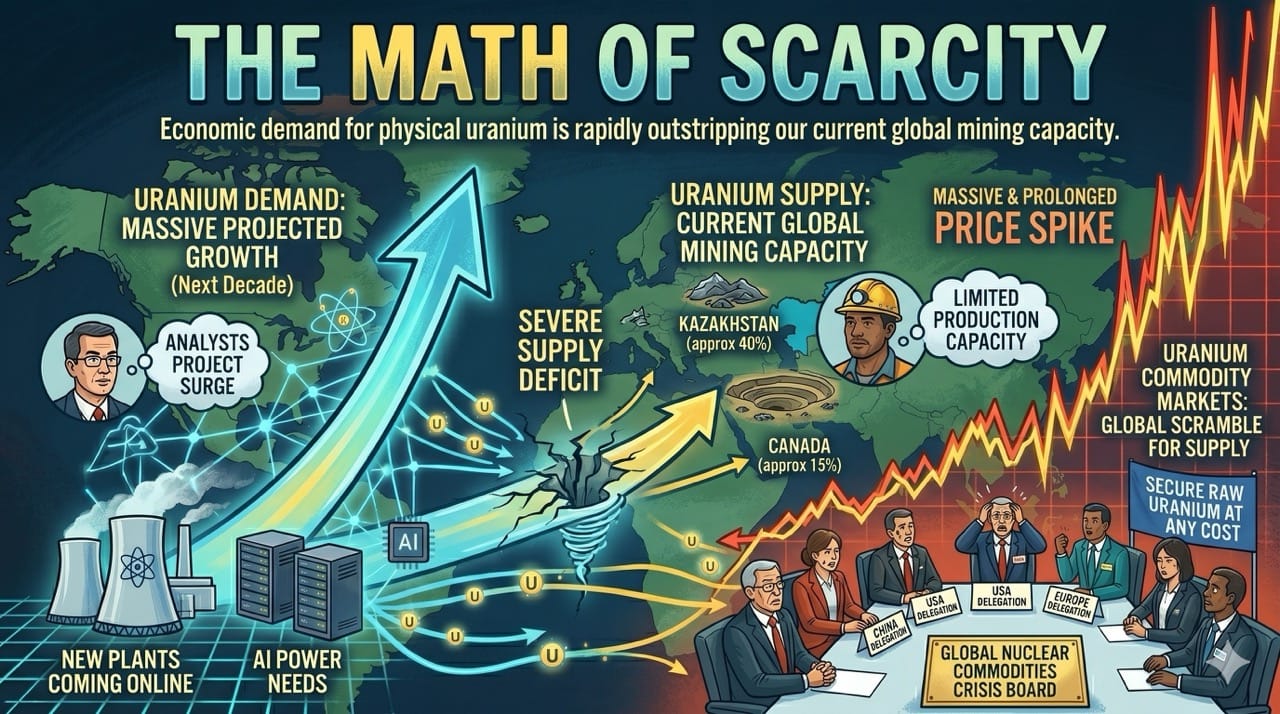
The Math of Scarcity
The economic demand for physical uranium is rapidly outstripping our current global mining capacity.
Analysts project that global reactor requirements will surge massively over the next decade as new plants finally come online.
This severe supply deficit will inevitably trigger a massive and prolonged spike in global uranium commodity markets.
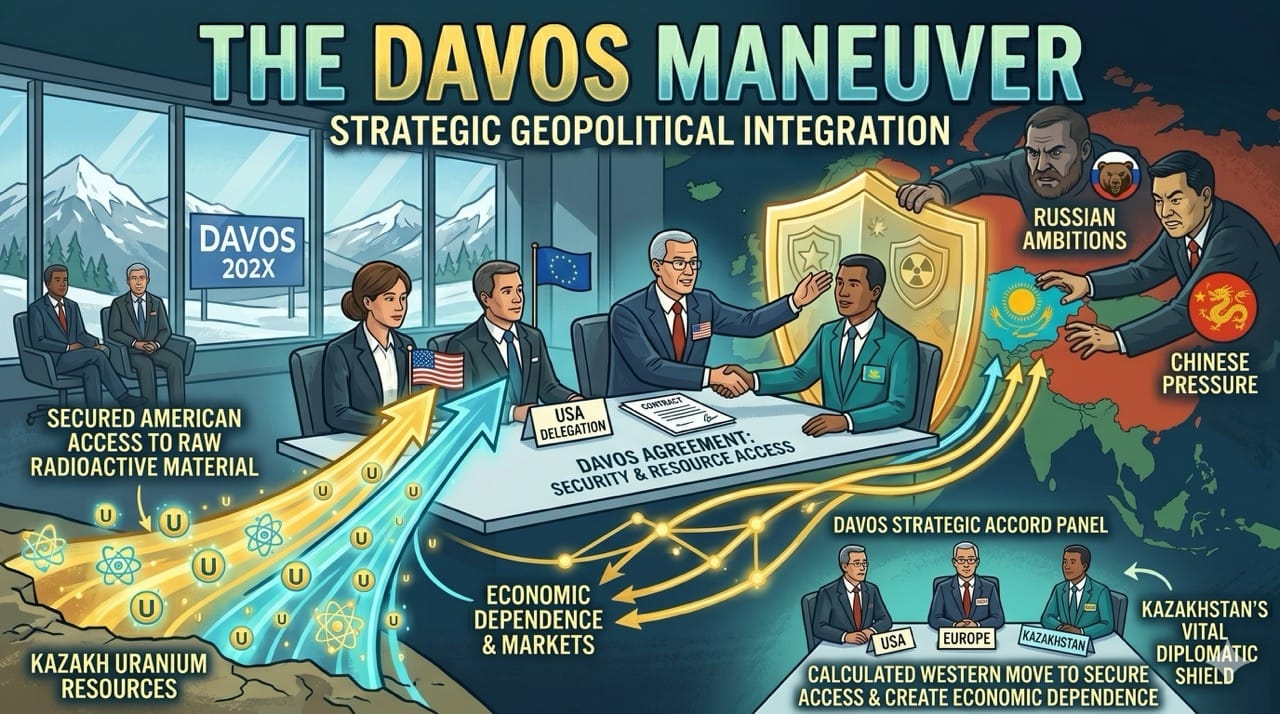
The Davos Maneuver
The recent diplomatic push at Davos strategically integrated Kazakhstan into a western security alliance.
This was a highly calculated move to create economic dependence and quietly secure American access to raw radioactive material.
It provides the Central Asian nation with a vital diplomatic shield against the aggressive territorial ambitions of its neighbors.
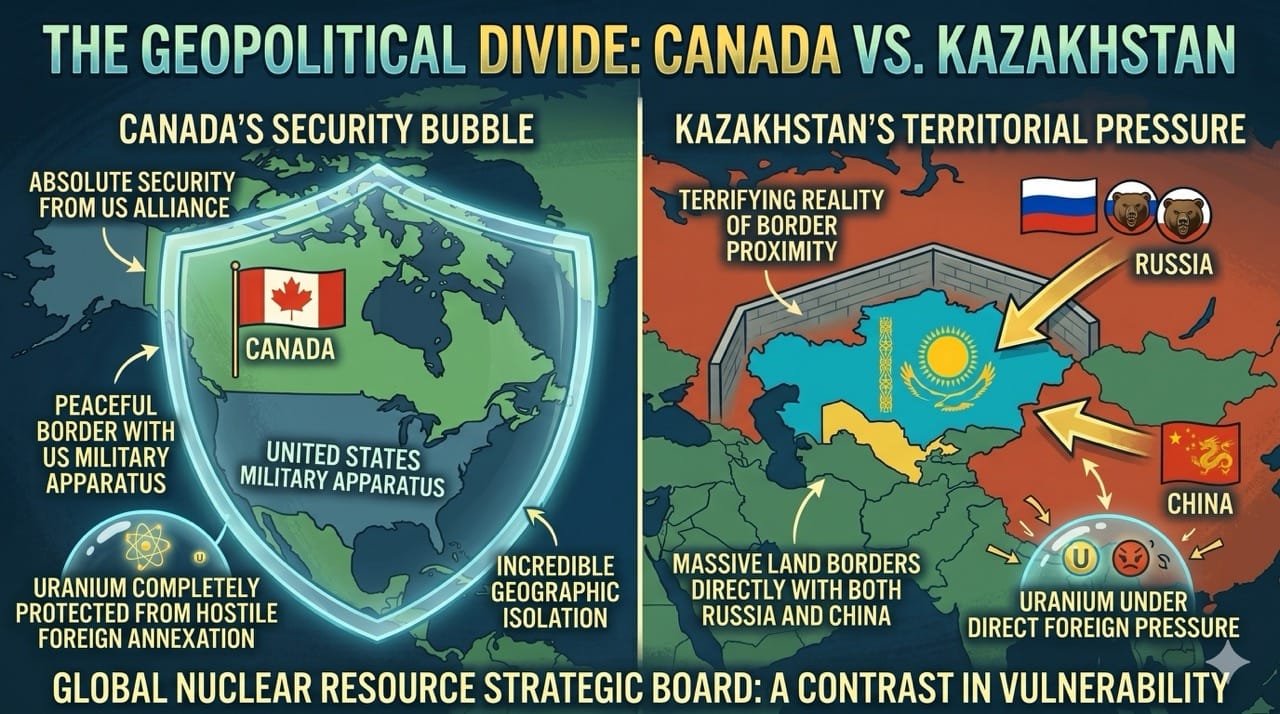
The Geopolitical Divide
Canada enjoys the absolute security of sharing a peaceful border with the United States military apparatus.
Their uranium reserves are completely protected from hostile foreign annexation by incredible geographic isolation.
Kazakhstan faces a terrifying reality because they share massive land borders directly with both Russia and China.
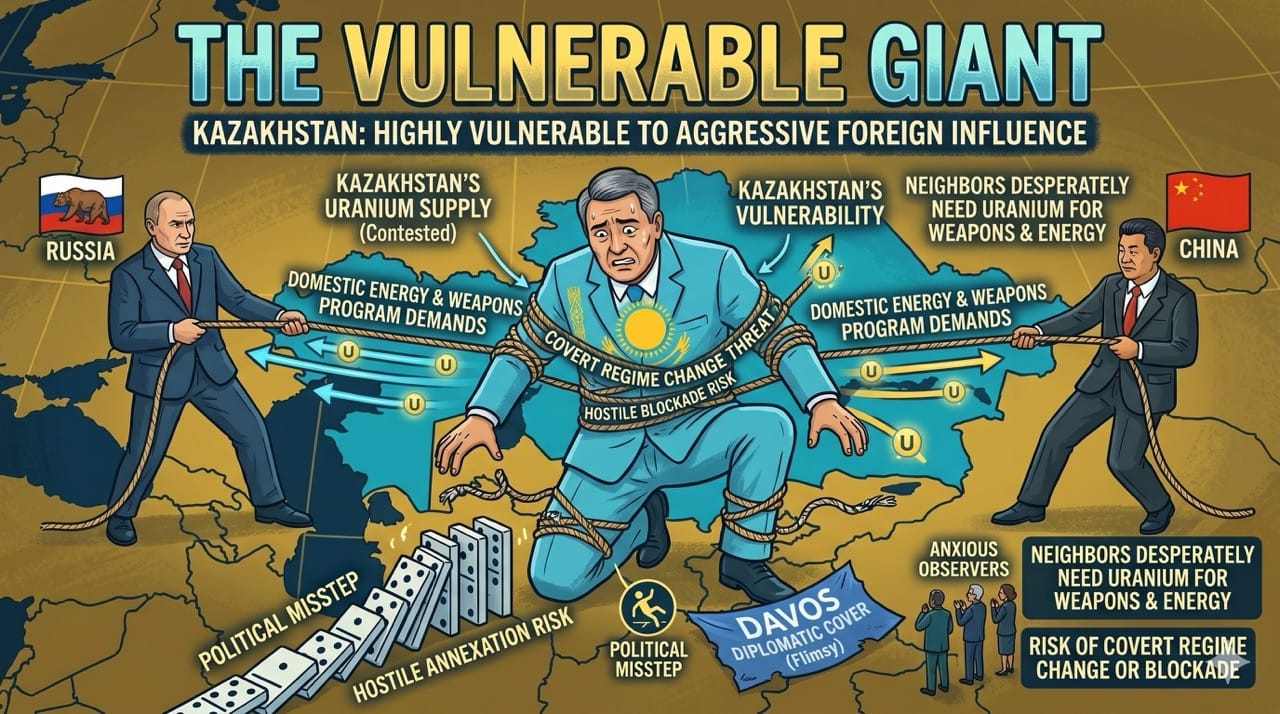
The Vulnerable Giant
While the Davos inclusion provides diplomatic cover, Kazakhstan remains highly vulnerable to aggressive foreign influence.
Both Russia and China desperately need that exact uranium supply to fuel their own domestic energy grids and weapons programs.
A single political misstep could easily invite a hostile blockade or a covert regime change engineered by their massive neighbors.
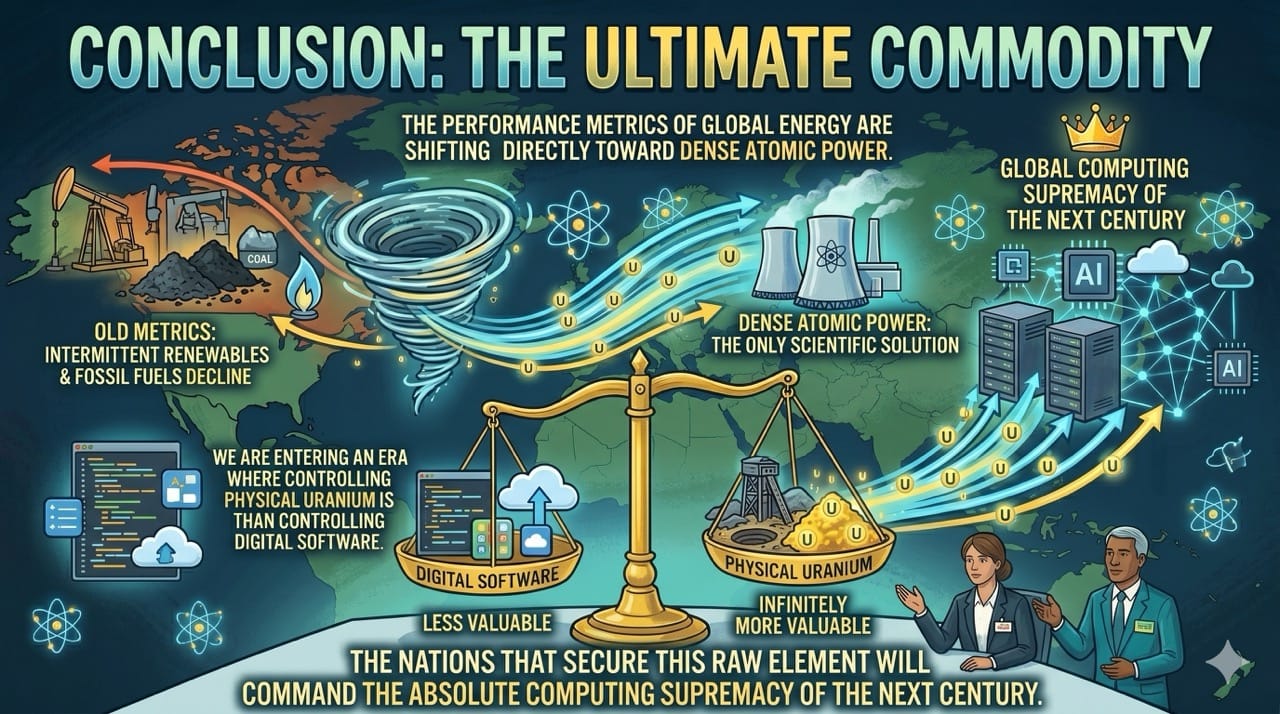
Conclusion: The Ultimate Commodity
The performance metrics of global energy are shifting directly toward dense atomic power.
We are entering an era where controlling physical uranium is infinitely more valuable than controlling digital software.
The nations that secure this raw element will command the absolute computing supremacy of the next century.